



Latest News from the World of Breathalyzers
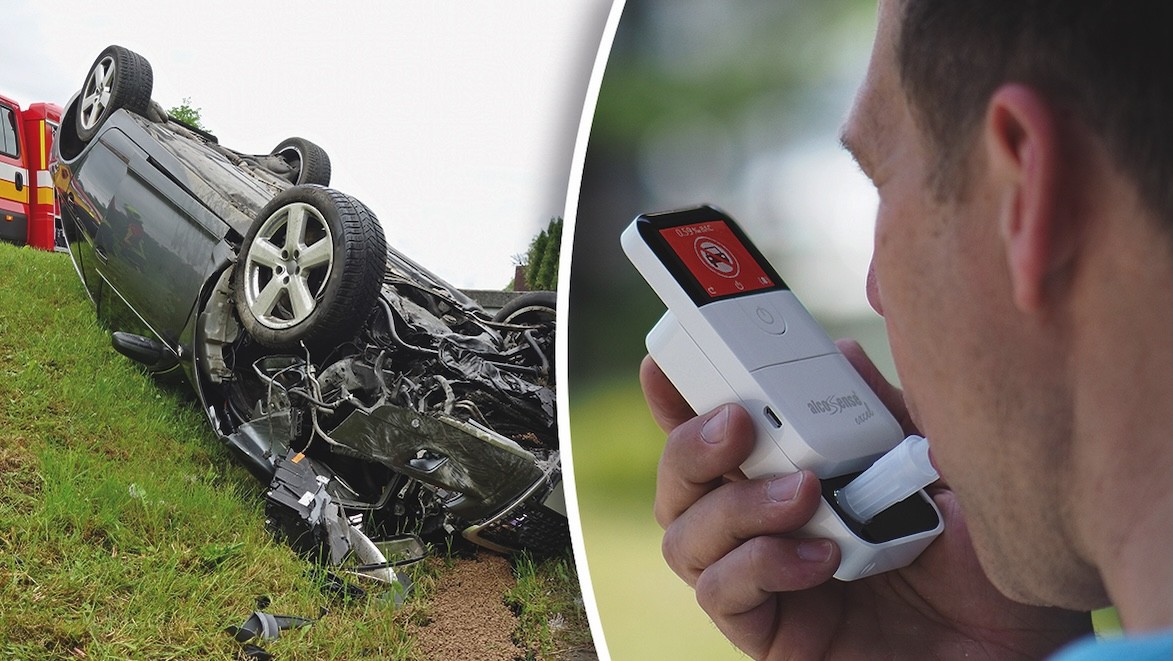
A new survey of 2,000 UK adults shows nearly eight in ten respondents (78%) said the current legal alcohol limit should be lowered from 80mg of alcohol per 100ml of blood. Just 12% said it should remain unchanged.
87% believe stricter penalties are needed to deter people from driving under the influence.
The poll by personal breathalyser firm AlcoSense is an early indication of public sentiment, ahead of the Government’s Road Safety Strategy consultation deadline of 11 May.
Nearly eight in ten respondents (78%) said the current legal alcohol limit should be lowered from 80mg of alcohol per 100ml of blood. Just 12% said it should remain unchanged.
Half of those surveyed (50%) said the limit should be slashed to 20mg or zero. A further 28% said it should be brought into line with Scotland’s 50mg limit.
There is also a clear consensus for more immediate enforcement powers. Three quarters of respondents said police should be able to suspend a driver’s licence at the roadside if they test over the limit or refuse to provide a sample.
AlcoSense managing director Hunter Abbott said the findings, which included questions similar to those in the Government consultation, indicated a shift in public attitudes.
“People are saying the current system is not tough enough,” he said. “There is staunch support not only for lowering the alcohol limit, but also for giving police the powers they need to deal with offenders quickly and effectively.
“England and Wales currently have the highest drink-drive limit in Europe. Our research suggests that many people no longer see that as acceptable.”
The call for stricter limits is even greater for higher-risk groups. Around two-thirds of respondents said commercial and novice drivers should be subject to a 20mg or zero limit.
The study suggests the public sees legal limits and police action as equally important. A majority (58%) said the most effective way to tackle drink driving would be to combine a lower limit with more robust enforcement, rather than relying on either approach alone.
“There is a clear recognition that changing the law on its own is not enough,” said Abbott, who is also a member of PACTS.
“People want to see enforcement alongside it, so that the rules have real impact.
“Motorists who pose a risk should not be allowed to continue driving while legal proceedings are ongoing,”
The latest data published by the Department for Transport show there were 260 fatalities in drink-drive accidents in 2023, with a total of 6,310 people injured in incidents involving drivers over the legal limit.
The survey findings also indicate that more stringent drink-drive laws will have limited impact on social behaviour. More than a third of those who visit pubs and restaurants said their habits would not change if the limit was reduced, while only a small minority (13%) said they would be likely to visit licensed premises less often.
Abbott added: “With the consultation closing soon, this indicates that the public expects meaningful Government action to improve road safety and prevent avoidable deaths and injuries.”
-ends-
23 April 2026
Notes:
PACTS is the Parliamentary Advisory Council for Transport Safety
AlcoSense interviewed 2,000 nationally representative UK adults via OnePoll between 24-27 March 2026. OnePoll adheres to the MRS Code of Conduct.
» read more
The government’s consultation to reduce the legal drink-drive limit in England and Wales has been welcomed by road safety campaigners.
The proposals are backed by research showing that even small amounts of alcohol significantly increase crash risk. A key study found that drivers with a breath alcohol level of 22 micrograms per 100 millilitres of breath (µg/100mL) are eight times less likely to be involved in a fatal crash than those at the current limit of 35 micrograms.
The legal limit in Scotland was reduced to 22 micrograms in 2014.
“But England and Wales remain an outlier with the highest legal drink-drive limit in the developed world,” says Hunter Abbott, managing director of personal breathalyser firm, AlcoSense Laboratories.
“This means we have drivers who are ‘legal but lethal’ on our roads. The evidence is clear - even modest reductions in blood alcohol concentration significantly lower crash risk.
“It would be a simple, effective step towards saving lives and would bring England and Wales in line with international standards.
A survey carried out by AlcoSense in December 2024 to mark the 10th anniversary of the limit being reduced in Scotland found that 79% of Scots believe it has made roads safer. A similar number (77%) think England and Wales should follow suit and 40% report drinking less overall.
“The Scottish data shows that lowering the limit reshapes behaviour,” adds Mr Abbott, who is also a member of the Parliamentary Advisory Council for Transport Safety (PACTS).
“Fewer people drink when they know they will drive and millions avoid risky decisions altogether.
“The UK once led the way on road safety with the first roadside breath test in 1967. We are now lagging behind. In 2026 there is no excuse for laws that allow impaired drivers on our roads”.
The latest government figures underline the urgency of reform. In 2023, a total of 260 people were killed in drink drive crashes – with 6,310 casualties overall. After years of decline, progress has now stalled. Fatalities have hovered above 200 for nearly a decade.
-ends-
7 January 2026
Source: “Drugs and Alcohol: Their Relative Crash Risk” by Romano, Torres-Saavedra, Voas, and Lacey (2014)
» read more