

Everything You Need to Know About Calibration

It’s important to understand the importance of calibration when it comes to breathalyzers. It is essential for both personal and professional use. There are two main types of breathalyzers, personal breathalyzers and professional breathalyzers, each with their own requirements for calibration and maintenance. Let's break down what you need to know about calibrating a breathalyzer.
What is a Breathalyzer?
A breathalyzer is a device that measures the amount of alcohol in someone’s blood by evaluating the presence of alcohol in their breath. It requires an accurate reading in order to determine if someone has been drinking or not, so accuracy and consistency are key factors in any breathalyzer’s performance.
Why Is Calibration Necessary?
Calibration ensures that a breathalyzer is performing properly and accurately measuring the amount of alcohol present. Without proper calibration, the results can be inaccurate and misleading which could result in legal consequences or incorrect safety decisions being made. That’s why it’s important for both personal and professional devices to be calibrated regularly at intervals recommended by the manufacturer or as needed due to external factors such as temperature, humidity, or altitude changes.
Types of Breathalyzers
Personal Breathalyzers:
Personal devices should have regular maintenance checks performed on them such as cleaning out debris from ports and replacing batteries when necessary in order to maintain optimal performance over time. Additionally, users should keep track of how often they use their device so that they know when it's time for another calibration based on usage frequency alone even if there aren't any warning signs present yet. Personal breathalyzers are designed for home use and typically require less frequent calibration than professional devices do because they are used less often and subject to fewer external influences. However, they should still be calibrated once every 6-12 months depending on usage frequency as well as any potential warning signs such as reduced accuracy or unexpected readings.
Professional Breathalyzers
Professional devices often require more frequent maintenance checks due to their higher usage rate compared to personal devices. Additionally, these devices may also require specialized maintenance during calibration checks when compared with standard consumer models but provide greater peace of mind thanks to their enhanced ability to maintain accuracy over time. Professional breathalyzers have more stringent calibration requirements because they are used more frequently in various climates and environments which can affect their readings if they are not maintained properly. Professional devices should be calibrated at least once every 12 months, often more regularly, depending on usage frequency as well as any potential warning signs such as reduced accuracy or unexpected readings.
How Does Calibration Work?
Checking The Sensor:
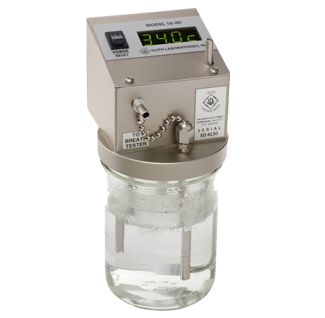
The first step of calibrating a breathalyzer is for one of our technicians to check its sensor for any damage or inconsistencies that might affect its accuracy. If there is any visible damage, it will need to be replaced before proceeding with the calibration process.
Adjusting The Sensor For Accuracy And Consistency:
Once the sensor has been checked then it can be adjusted for accuracy based on the our stringent specifications using manual methods by a trained AlcoSense technician in our purpose built UK laboratory. This adjustment process helps ensure that the device is reading correctly and consistently over time so that accurate measurements can be taken reliably each time it is used.
Conclusion
A well-maintained breathalyzer is essential for providing accurate results no matter what type you use - personal or professional - so regular calibration checks from an AlcoSense technician are absolutely necessary regardless of your circumstances. By understanding why calibration is important, how often your specific type needs it, what type of maintenance checks you should perform and what tools may be needed, you'll ensure your AlcoSense device remains reliable over time while providing consistent results.
With this knowledge, you'll feel confident knowing your results will hold up no matter where you go. If you have not had your breathalyser calibrated for more than 12 months don't worry, we can still calibrate it for you. However, the longer the breathalyser is outside it's calibration window, there is a higher likelihood that the sensor may not be able to be recalibrated.